

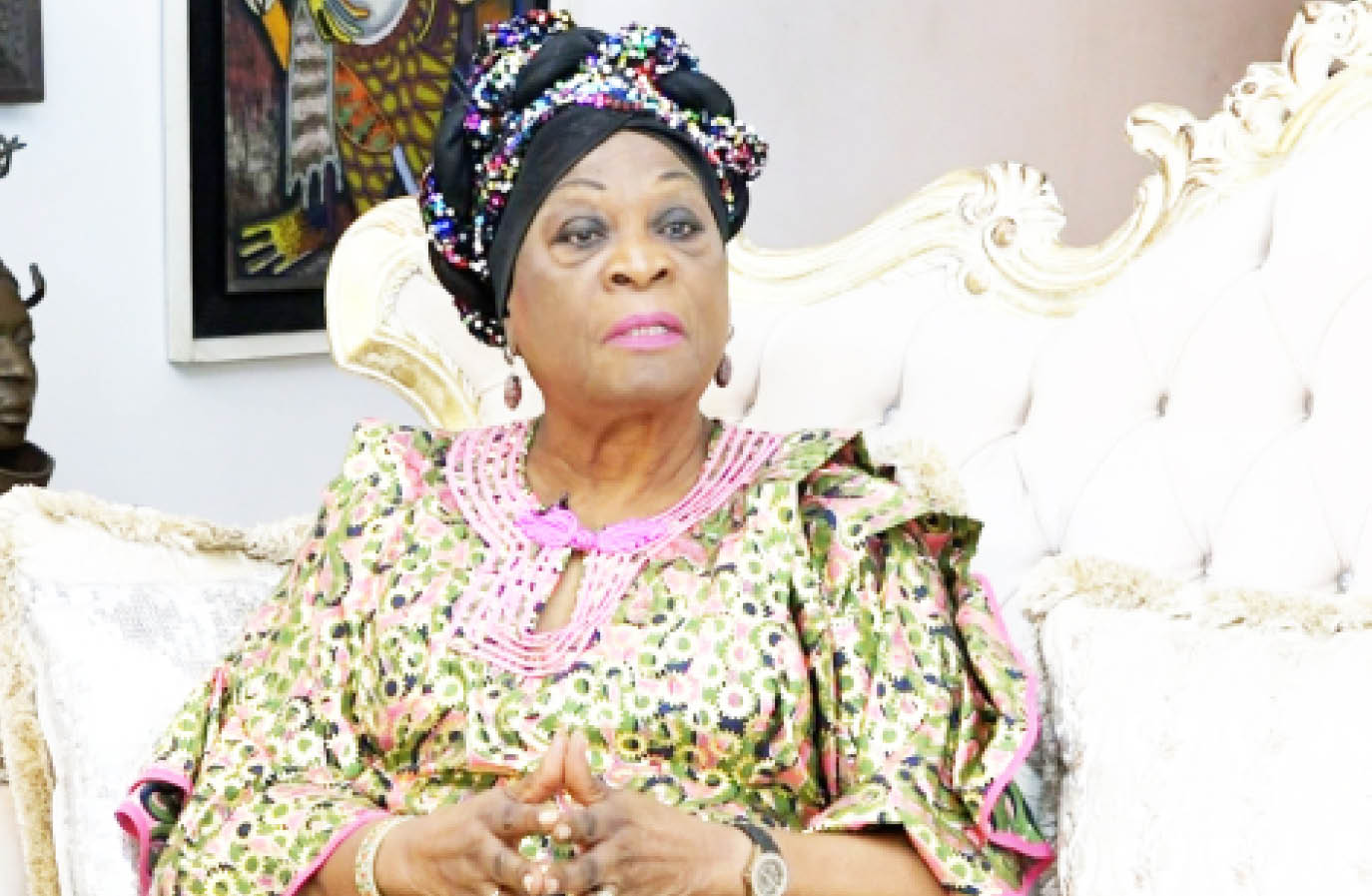
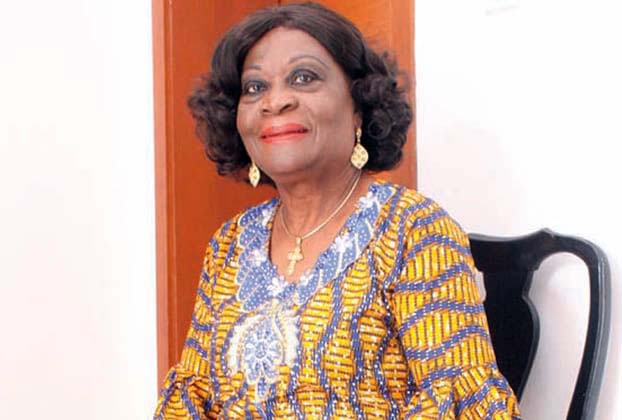
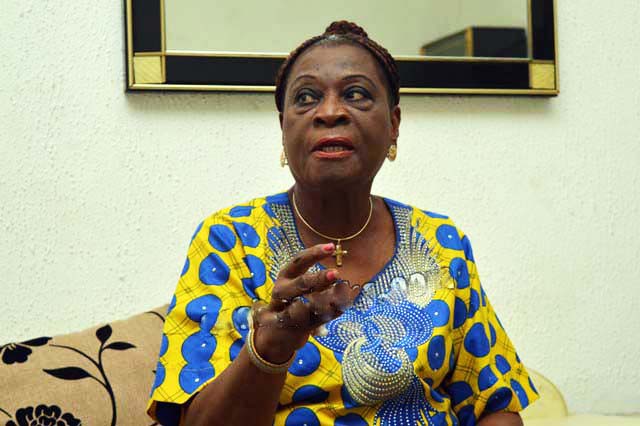
Kofo Bucknor, also known as Kofoworola Bucknor-Akerele, is a Nigerian politician and former Deputy Governor of Lagos State. She served alongside Bola Tinubu from 1999 to 2002, playing a significant role in the state’s administration. Born on April 30, 1939, Kofo Bucknor is a law graduate from the University of Surrey, United Kingdom, and has had a distinguished career as a lawyer, journalist and politician.
Kofo Bucknor worked as a freelance journalist for BBC and VON Magazine and was a member of the Nigerian Constituent Assembly from 1977 to 1978.
She was a prominent activist during Nigeria’s pro-democracy struggle and is known for her strong stance on political integrity and public accountability. At her Ikoyi residence, recently,
All talks lean towards 2027 these days. What is your advice to the Independent National Electoral Commission concerning the 2027 elections?
Well, (a lot depends on) INEC, if they want to be credible. To me, I think people are disappointed in INEC. INEC? People don’t have faith in our institutions anymore. They don’t have faith in the INEC, they don’t have faith in the judiciary, and it’s a shame. First of all, I don’t even believe the judiciary should be involved in our elections. If we have our elections and we use electronic transmission real-time, we will get the result and everybody will be able to see it. There will be no need for rigging and nobody will have to go to court. The fact that our elections are being decided by the courts is not giving the average Nigerian any sense of respite. They don’t believe that we’re getting what we should be getting, even from the judiciary, which is very sad.
What’s your advice to the electorate?
My advice to the electorate is, stop taking money; N10,000, N5,000, N20,000, N30,000, two cans of Derica rice is not going to do anything for you. In any case, the money they’re giving you is your own money. It’s not that they’re giving you their money, it’s your own money. So, if the worst comes to the worst, take their money, but vote your conscience.
Talking about Nigeria today, how would you describe the state of the nation today?
It’s a very frightening situation. I think we all have to be on tenterhooks. Because, as we say in Yoruba, “unbo umbo.” It’s coming, it’s coming. And, really, it is coming. This problem of insecurity started in the North. It has now reached the South-West. And it seems that either the government is unable or incapable of dealing with it decisively. It’s a very sad situation. I understand that the Americans have sent some troops in. I don’t know how effective those are going to be. Whether they will be able to supply us with the right intelligence for us to combat insecurity. But, you know, I’m really worried for Nigeria. The way we’re going, let us not descend into another civil war. Because, let’s face it, we’re at war. We’re fighting these people and we euphemistically call them terrorists or bandits. They’re not bandits, these are terrorists. These are people who go around killing people, slitting people’s throats, burning people’s houses. And you’re saying they’re bandits? Which kind of bandit is that? This is pure terrorism. And they’re doing that, going from village to village, doing it. And the government seems unable and, as I say, incapable of doing something about it. You know, General T.Y. Danjuma at one time said we should all get ready to defend ourselves. I’m beginning to think that he’s right: we should all get ready to defend ourselves. Because, if the government cannot defend us, then we have to defend ourselves.
If you were to assess this administration, it’s three years now, what would you say about the Tinubu administration?
All I can say about this administration is that it has impoverished virtually everybody. Even the so-called middle class and the rich are no more. I have to think twice when I go to the market. Because, you know, we are fed with all sorts of statistics that things are getting better. But every day you go to the market or you go to the supermarket, you find that the prices are increasing. They keep on saying that they’re doing something to encourage food production, there’s plenty of food in the market. The problem is that people cannot afford to buy it. And that is what the government should look at. Enhancing the buying power of ordinary Nigerians so that they can feed themselves and feed their families. The first basic thing for a human being is to be able to feed himself or herself
What’s your take on the African Democratic Congress coalition being put together to challenge APC in 2027?
It is like all the governors, all of them, they’re all in APC now. Then thank God for ADC.
But I don’t know whether I should really say thank God for ADC because I believe that ADC actually is a, well, I would say, I see it as Atiku’s party. And so all the governors that are going to APC, I say, good luck to them. They only have one vote. That doesn’t mean that because you as governor have gone, the whole of your state is going to follow you. We all have our own voter’s card. We all have our own minds and we should, I think, everybody, in this next election, people will actually choose whoever they want. And you’ll be surprised that a lot of governors will actually lose out.
So what would you say concerning women in politics in Nigeria today? Women are still few in politics. Why is it so?
Well, I think politics has become so monetized now that not many women can muster the sort of funds that is necessary to contest elections. And then I think the political parties, although they say they reserve places for women, but, really and truly, you know, the way they have done it, in the political hierarchy of most parties, you have a woman leader. Now, why should they have a woman leader? Why don’t they have a man leader as well? Forget it. You know, they use certain places to be able to actually push women into certain compartments, which I don’t think is right. And I think we as women should resist it.
So what’s your advice for women in 2027?
Come out. Come out. If you want to contest, try and contest. Go around. Go and meet the people at the grassroots, because that’s where the votes are.
Talking about money in politics, if women don’t have enough money, how would they do that?
Well, that is also the problem. I think it’s also up to the political parties to try and find ways of supporting women who want to contest. I remember when I was contesting…