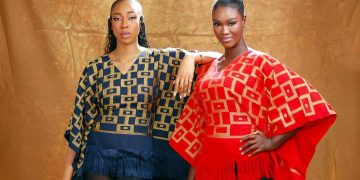


Fashion week season is on. From New York Fashion Week to London Fashion Week, Africa Fashion Week London and, currently, the Paris Fashion Week, it’s that time of the year when designers showcase their collections and battle for dominance and relevance in the clothing and beauty world. Fashion enthusiasts have their calendars marked with shows, collections, premieres, exhibitions and catwalk sessions. While there are many important things to do and prepare for, sadly, what is mostly ignored but very crucial is the models’ welfare, especially in Africa, says international supermodel, Bunmi Ademokoya.
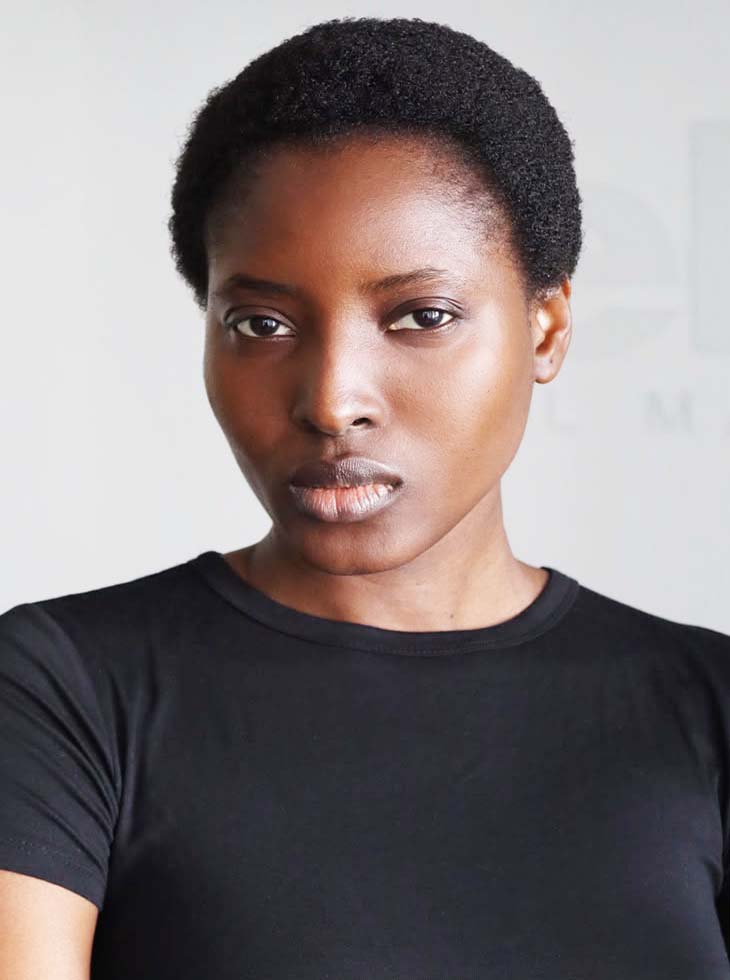
Bunmi, who has been a regular face on different fashion weeks around the world, spoke with Laurel in London, United Kingdom, where she suggested what needs to be done during fashion weekends in Nigeria and other African countries to further boost models’ charisma and welfare.
What would you suggest that brands and organisations put in place for models at fashion weekend in developing countries?
I would like to offer my opinion as to what organisations and brands could do to make it even more exciting and an amazing experience for the models who are going to be working throughout the fashion week.
While it is amazing to have such a wonderful weekend just dedicated to all things fashion, beauty and the rest, we tend to forget the people behind the cogs to the well-oiled machine that is the fashion week.
One of the things that just makes sense in other fashion weeks around the world is having brands on board that cater for the welfare of the models.
One of the ways this is done is by having a model lounge.
The international skincare brand, Weleda, has been organising this for the past 18 years. An example of this type of model lounge was at the London Fashion Week.
The reason? They know how important it is for models to have a safe place for them to be in during the fashion week. Not only that, they also know how important it is to get skincare advice from experienced aestheticians.
As models, where the physical attribute is the currency, ensuring that the models are physically and emotionally ready for the long exhausting fashion week is crucial.
The idea behind it is that the lounge creates a space for models to relax and recharge in between shows, get complimentary refreshments and massage or facials; a place to hang out with other models, and a carefully curated goody bag filled with skincare and essential products to take home.
You just participated in the London Fashion Week and Paris Fashion Week and, in November, Nigeria is holding its annual GTCO Fashion Week. What do you wish the organisation would put in place for models?
Personally, I love this culture and I always look forward to the next fashion week. As a professional model myself, I always love being valued as an important component of the fashion week as a whole, knowing that there is a brand that is invested in my emotional and physical state of mind during this long exhausting week. I also get to have essential beauty products that would last me till the next fashion week.
Can you imagine if such a practice is put in place during the GTCO Fashion Week by smart, forward-thinking brands?
For brands, advertising is key. The combined followership most models have on their social media pages is nothing short of staggering numbers and, as we all know, social media is the new money-making machine.
Brands could build a whole new narrative out of this. The amount of people who would look forward to the next model lounge or what is in the next goody bag every season has the potential to become a movement or viral moment of its own.
It could even include make-up artists who would also get products that could be used backstage or even promoted to their potential clients.
Showing care to the people that bring the beauty in all that the weekend represents would show that GTCO and the brands they choose to work alongside care and are willing to provide a more nurturing space for the models during the fashion weekend.
Therefore, I implore brands whose values and mission resonate with this to create this beautiful culture, which already exists in other fashion capitals of the world, not as a gimmick, but as a genuine way of upholding their brands’ values for many years to come.
As someone who has worked internationally, what changes would you like to see in Nigeria’s modelling industry over the next five years to make it more professional and globally competitive?
Also, the pay in the modelling industry has to reflect the current international economic value of services rendered.
I’d like to see Nigerian brands use actual models as their brand ambassadors, just as they use movie and music professionals, and pay them just as they pay the above-mentioned professionals.
For brands, advertising is key. Therefore, brands should actively look to book models and pay them their money’s worth.
Take a look at the viral Rachel Ojuromi, for example. She has been able to build a growing international presence for herself around the world and Nigerian brands should be knocking on her door to tap into her potential branding.
If we don’t build our people up, we cannot expect loyalty from them when someone else does. Countries even smaller than Nigeria have helped build models’ careers. Therefore, it’s time for Nigerian brands to do the same.
I am hoping that, in the next five years, the modelling industry in Nigeria would have exponentially improved and even got the potential to be globally competitive, like the rest of its international markets.
Therefore, I implore brands whose values and mission resonate with this to create this beautiful culture.
Like the popular saying goes, “Naija no dey carry last”. It is time to join the fashion-forward and show the world that our fashion week cares as well.