

Guaranty Trust Holding Company (GTCO) is moving beyond the spectacle of its annual Fashion Weekend to build a permanent, year-round infrastructure for Africa’s fashion industry. On Thursday, the financial institution unveiled the GTCO Fashion Collective, a platform designed to keep designers, models, stylists, photographers, buyers, content creators and indigenous fabric makers connected long after the runway lights dim.
The announcement, made by Oyinade Adegite, GTCO’s head of corporate communication, came at a press briefing ahead of the ninth edition of the GTCO Fashion Weekend, scheduled for November 7 and 8 at Plot 1, Water Corporation Drive, Oniru, Lagos. For nearly a decade, the event has grown into one of Africa’s most anticipated consumer fashion experiences, powered by a bank’s unusual commitment to creative enterprise. This year, GTCO is institutionalising that commitment.
“Over the past nine years, the GTCO Fashion Weekend has done what many thought unlikely—built Africa’s most exciting fashion experiences on the back of a financial institution’s commitment to promoting enterprise,” Adegite said. “This year, we are introducing the GTCO Fashion Collective, a year-round platform that connects every part of our fashion ecosystem: designers, models, stylists, photographers, editors, buyers, content creators and the broader creative community.”
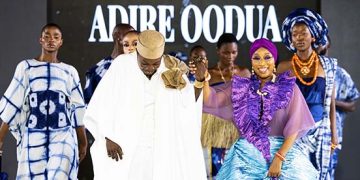
At the heart of the new initiative is a manufacturer and textile directory. The directory will document artisans and producers behind indigenous fabrics, including Aso-oke weavers and Adire dyers. These craftspeople form the foundation of African fashion, yet they have often remained invisible in commercial conversations. GTCO intends to give them a permanent, searchable home within the ecosystem.
The move addresses a long-standing gap. African fashion has gained global attention through runways and international collaborations, but the makers of its distinctive textiles frequently operate without structured market access, visibility or consistent commercial linkages. By creating a dedicated directory, GTCO is attempting to formalise and elevate the role of these artisans, turning seasonal excitement into sustained economic opportunity.
The two-day Fashion Weekend itself remains a high-energy consumer fair. It will feature masterclasses, designer presentations, retail outlets, a craft and fabric market, and runway shows presenting both African and international designers. Confirmed masterclass speakers include Renee Morris, Sherlina Nym and Rachel Ojuromi. Designers scheduled for the presentation stage include Spectrum by Aisha, MSO Lagos, Cisca Cecil, Sheye Oladejo, Meme Rocha and Mide World.
What distinguishes this edition is the deliberate attempt to extend the value of the weekend beyond the two days. The Fashion Collective is positioned as the connective tissue that will sustain conversations, commercial activities and collaborations throughout the year. In an industry where momentum often dissipates after major events, the platform aims to keep professionals linked, opportunities circulating and indigenous production systems more visible.
GTCO’s approach reflects a broader recognition that Africa’s creative industries require more than occasional showcases. They need infrastructure—directories, networks, market linkages and continuous engagement. By leveraging its corporate platform, the bank is positioning itself not merely as a sponsor of fashion, but as a builder of the systems that allow fashion enterprises to scale.
The timing is significant. As African designers increasingly appear on international stages and global brands look to the continent for authenticity and craftsmanship, the ability to connect the full value chain—from Aso-oke weaver to runway designer to international buyer—becomes a competitive advantage. The Fashion Collective is GTCO’s bid to organise that value chain under one sustained platform.
For Lagos, already a restless creative capital, the initiative reinforces the city’s claim as a fashion hub. For the artisans whose hands produce the fabrics that define African style, it offers the prospect of recognition and commercial relevance that has often been missing. And for the wider creative community, it signals that the energy generated each November will no longer be allowed to fade when the tents come down.
The ninth GTCO Fashion Weekend will still deliver the runways, the retail, the masterclasses and the spectacle. But the real story this year is the architecture being built around it—a year-round collective designed to turn Africa’s most exciting fashion weekend into the foundation of a more connected, more commercial and more resilient industry.