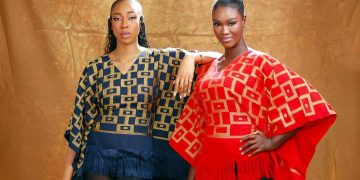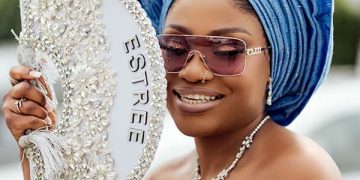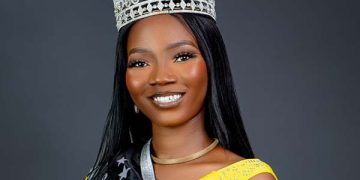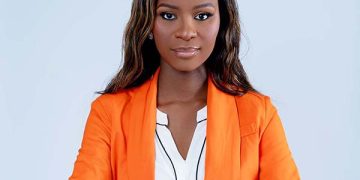

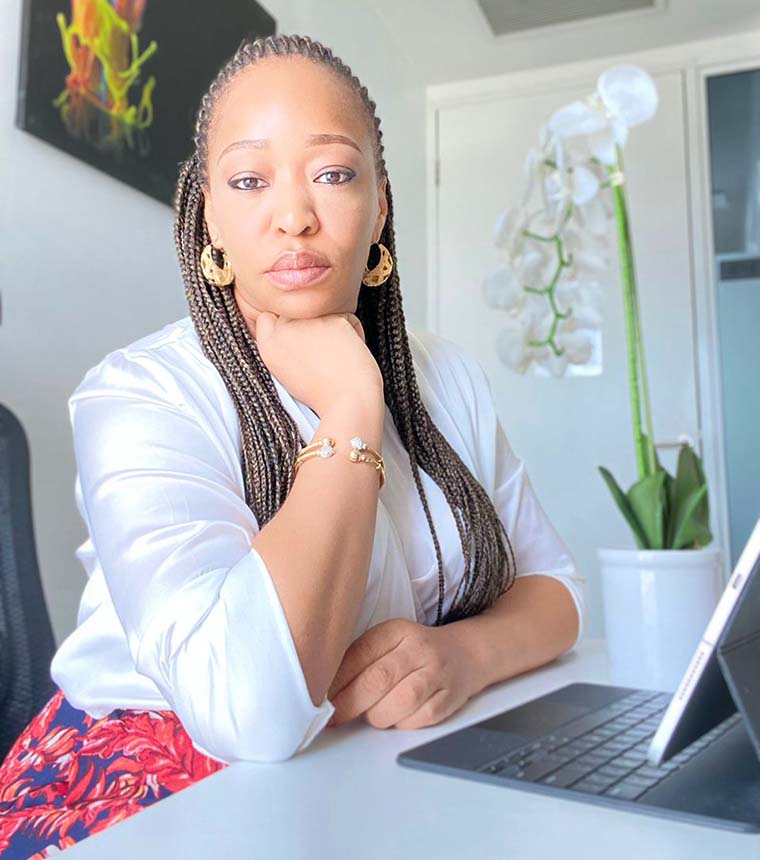
Ifemena Oji is the 69th president of the International Women’s Society Nigeria. In this interview, she talks about her life, business, her dedication to ensuring better opportunities for other people, especially women, and her role as president of the IWS.
Excerpt:
What inspired you to take on this leadership role as president of the International Women’s Society (IWS), and what do you hope to achieve in terms of how women are perceived, especially in leadership roles?
There’s so much to be done in Nigeria in terms of how we perceive women, especially in leadership roles. Yes, a lot has been done so far. We have women in different sectors that are doing amazing things. More than before, there’s so much work to be done. I think, just the general perception, the more we do, the more changes we will see in the perception of women as less than or not able to do as much as men.
What do you hope to achieve in your tenure?
We hope to build momentum in this regard. We are doing so much already as women; more women have taken up leadership roles than ever before. We have more women CEOs and COOs for corporate entities that are larger than SMEs. For SMEs, the figures are staggering. At this point, we are about 60 percent, up from about 55 percent a decade ago.
That means more women want to own their own businesses. They don’t want to be working in a typical corporate structure,
which is fine, but it also tells you that women who decide they want to go on the corporate ladder are climbing and gaining heights within their own individual fields.
In this one-year tenure as IWS president, how do you plan to address the challenges facing women and girls in Nigeria?
I think the only thing to do is to be tactical. Let us not bite off more than we can chew. Let us be also very smart and strategic. Let us try and aim for global engagement.
Right now, we have partnerships, and there are NGOs that are willing to engage with us across Africa. So, there’s global engagement. If we can connect with our sisters in Southern Africa, Eastern Africa, sub-Saharan Africa and within the rest of West Africa and with similar minded women and just engage them to have that spread and reach out about market readiness. Right now, we’re at the age of AFCFTA, that’s the Africa Continental Free Trade Agreement. Having those partnerships is key to getting us to the next level, to realize what women can attain in Nigeria and the rest of Africa.
How would you say your growing up years determined who you are today?
I was named after a very influential woman that was detailed in terms of politics at the grassroots level in Umuahia in Abia State, even though she’s originally Itsekiri. She’s my grandma, my paternal grandmother. I was named after her.
I don’t even think there are many people with that name, Ifemena, it’s a very unique name.
I think as they named me after her, they saw the potential to be like her, and that was their aspiration for me. And, to the glory of God, that dream for me has given me the vision to want to pour into others and to serve, you know, organizations like the International Women’s Society.
I also served on the Anambra State Transition Committee and the Enugu State Transition Committee in a non-partisan and non-political capacity. It was a very technical role but I was able to serve on those two committees and remained non-partisan, obviously.
My mom really inspired me. My mom, of blessed memory, was very quiet. She was a very back-behind-the-scenes kind of woman.
Everything I do right now is to honour her. She had roughly 70 to 80 godchildren, but nobody really knew her name outside her sector. She was the chairperson of the board of trustees for the Society of Industrial Hygienists in Nigeria.
Actually, she passed away during her tenure as the chairman. And watching women like her, my paternal grandmother and all the strong women around me has given me a lot of strength and put in me a lot of inspiration. And it tells me never to give up, to continue to persevere, continue to just trust God.
What lessons have you learned about life?
Life is tough but life is beautiful. In its imperfection, life teaches you so much that it makes you want to get up each day and be better. At a point, where you stop dreaming, you lose your vision.
You lose your will to be better. That’s a bad thing. So, continue to dream.
Never give up. Never, never, never give up. And continue to learn.
Continue to understand that, even at any age —60, 70, 80— we are just students of life. We are in a state of humility. We can learn so much from even the younger generation.
See how much—see how big the learning gap is between the Gen Z and the Millennials, and even the Gen X. There’s just so much—the gap is very wide. So, we have to find a way to bridge those gaps and know that we may even have to learn with humility from people who are younger than us.
This is probably the first time in the course of history that this has happened. And what they call it is reverse mentorship. Put ourselves in a place of humility to learn from whoever can give us that information.
You’re a good dresser, what’s your kind of style?
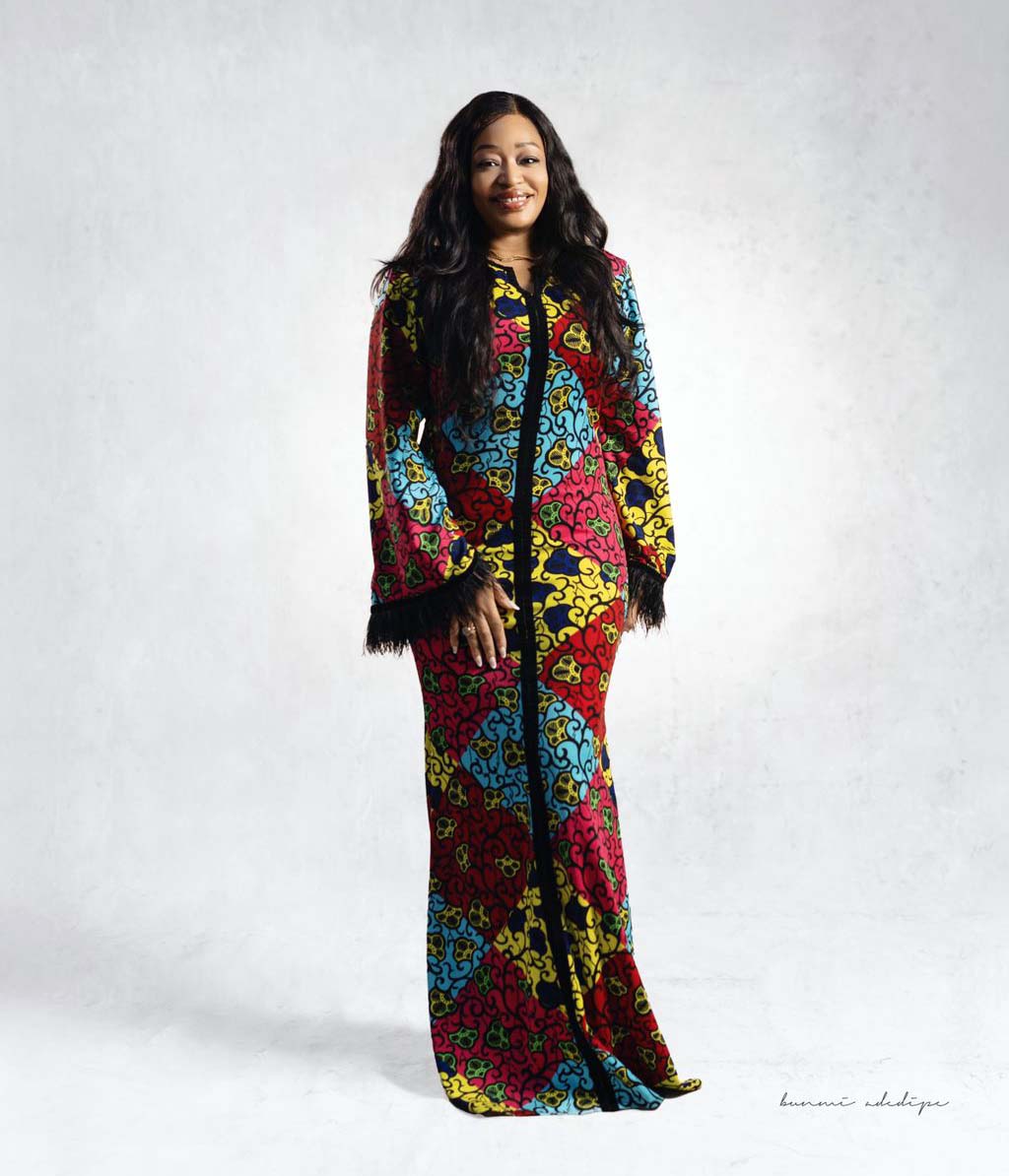
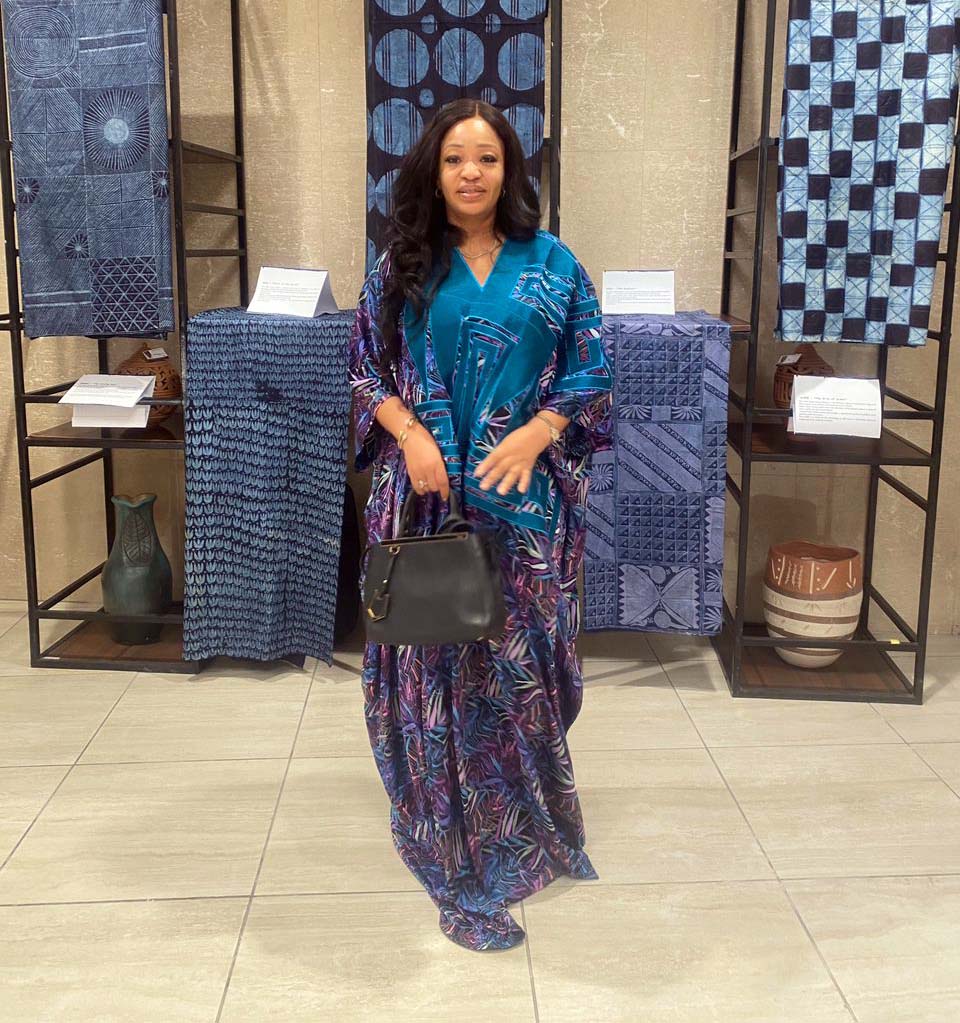
I love sustainable fashion. I love Nigerian fashion, African fashion.
I believe that African fashion is the future.
I believe sustainability is the future. I love the fact that Nigerians won the Earthshot Prize because of sustainable fashion. I would buy Nigerian, though I mix a little with foreign bags sometimes.
But when I look at my wardrobe every single year, the percentage of clothes that are made in Nigeria increases exponentially. It just keeps increasing. Nothing really is made abroad.
We don’t go abroad to shop anymore. People come to Nigeria to shop. And that’s what I think my own fashion invites.
Simplicity. I like monotone colours, monotone hues, with a pop of colour.
I also love natural fibre. And I love slow fashion. Sustainable fashion.
Your favourite holiday destination?
That’s a very good question. I think it’s a shame that Nigeria and South Africa have the issues they do.
But I love Cape Town. I’ve always loved Cape Town. You know, I’ve been around the world.
I plan on going to Brazil. But it’s Cape Town right now, within Africa, you know; travelling within Africa. Cape Town and, probably, Egypt, are my favourite destinations.