

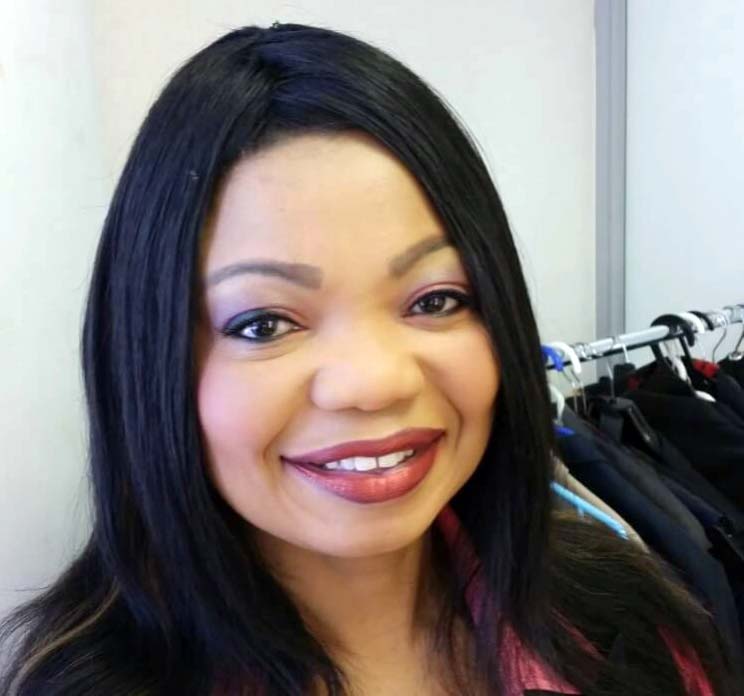
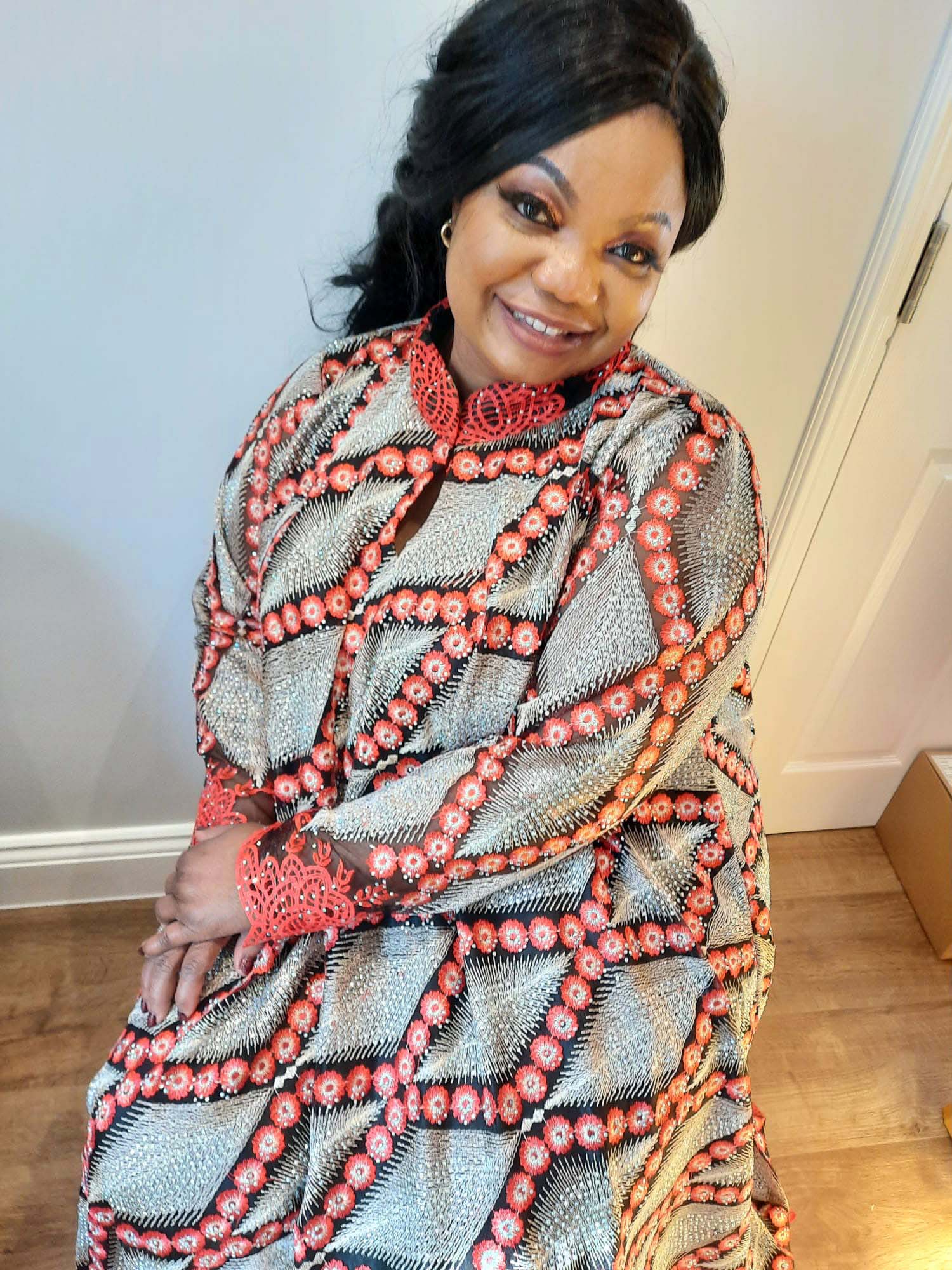
Susan Jumoke Fajana-Thomas, popularly known as SFT, is an accomplished community spoke woman, a socio-political campaigner and an advocate for social justice.
She has mentored and supported other Africans to becoming activists and politicians in the United Kingdom.
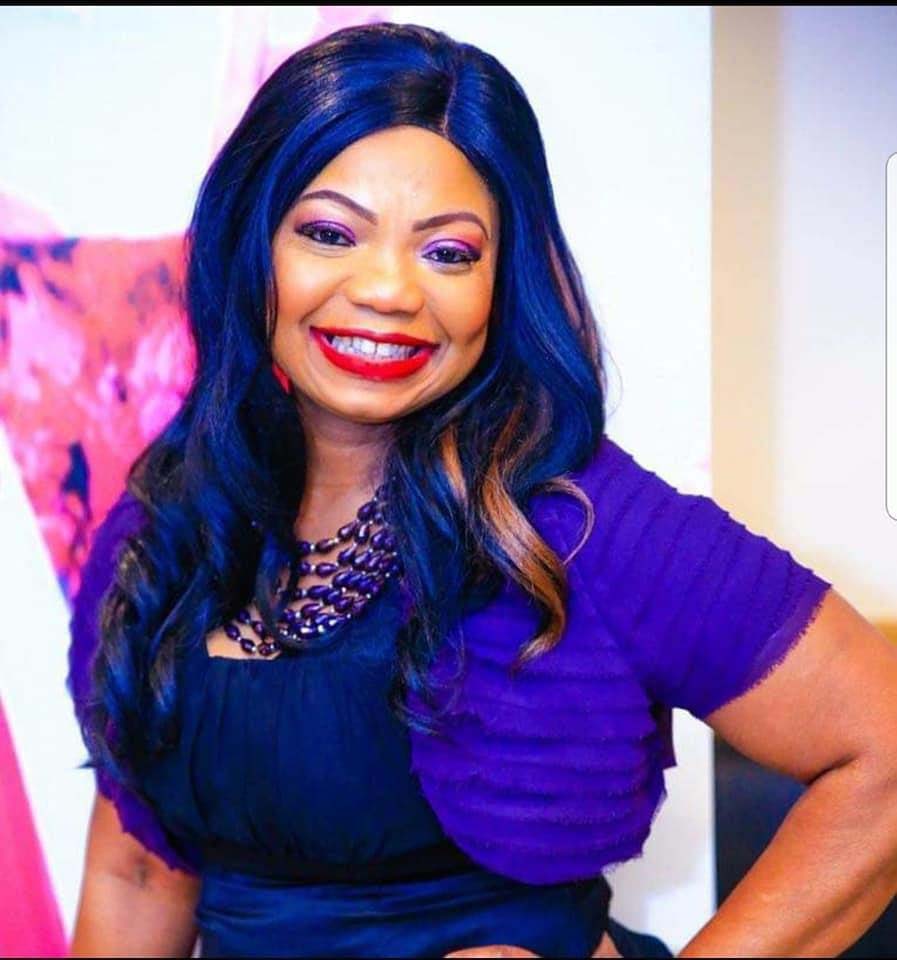
Soft spoken SFT was a broadcaster with the Nigerian Television Authority (NTA) before she left the shores of the country in 1991. Now, a member of the Labour Party in the United Kingdom, who 11 years ago was elected a councillor in Stoke Newington.
Susan has served a variety of public offices with pride and distinction and she is currently serving on the Board of a number of organisations, including London Housing Consortium, East London NHS Foundation Trust and Islington Refugee Forum.
She is making a huge impact worldwide in her influential role as a Universal Peace Ambassador, member of the African Achievers Awards Advisory Board, President of African Women In Diaspora (AWID), Nigerian Women in Diaspora Leadership Forum (NWIDLF) and Aldgate UK Chair of the global women movement, All Ladies League (ALL)
Fajana-Thomas, in this interview, tells thelaurel.com.ng about the life of a British politician.
What motivated you to become a politician in the UK?
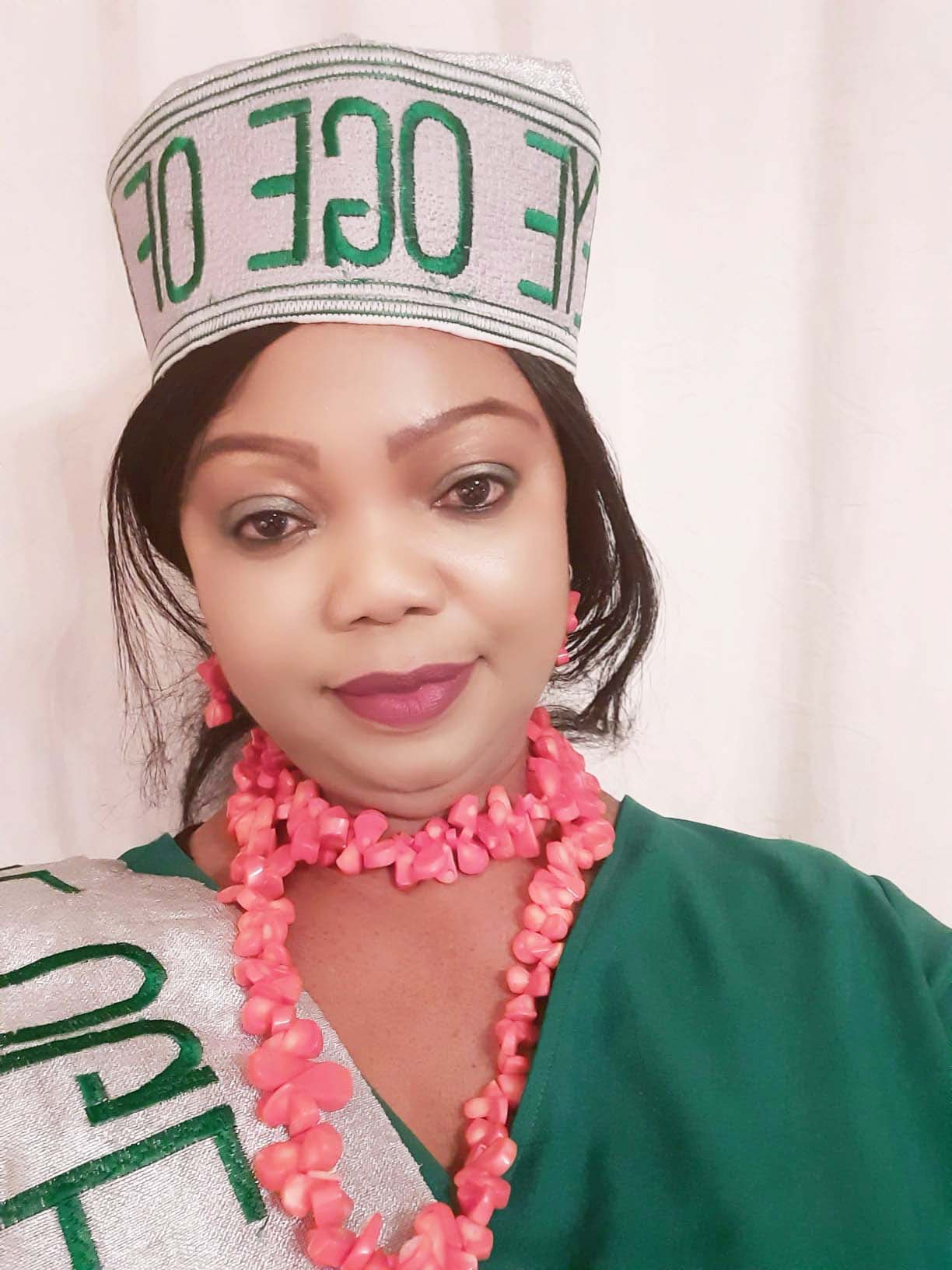
Different reasons drive people to pursue a political career. Sometimes it is idealism, ideology or simply wanting to become a voice for people. My motivation was about wanting to be an advocate, wanting to make a difference and to contribute to making the world a better place. This is a trait I inherited from my father, from a young age growing up in Nigeria. My father taught me the value of supporting people in your community, he taught me that to be a success, you must contribute to other people’s lives. I have been a campaigner since I was in Nigeria. I was involved in The Better Life Programme for Rural Women project in Nigeria that was started in 1987 by Hajia Maryam Babangida, the wife of President Ibrahim Babangida. When I came to the UK a few years later, I continued in that spirit. I got involved in community work. I got together with people to set up a residence association where I lived and had a Resource Centre.
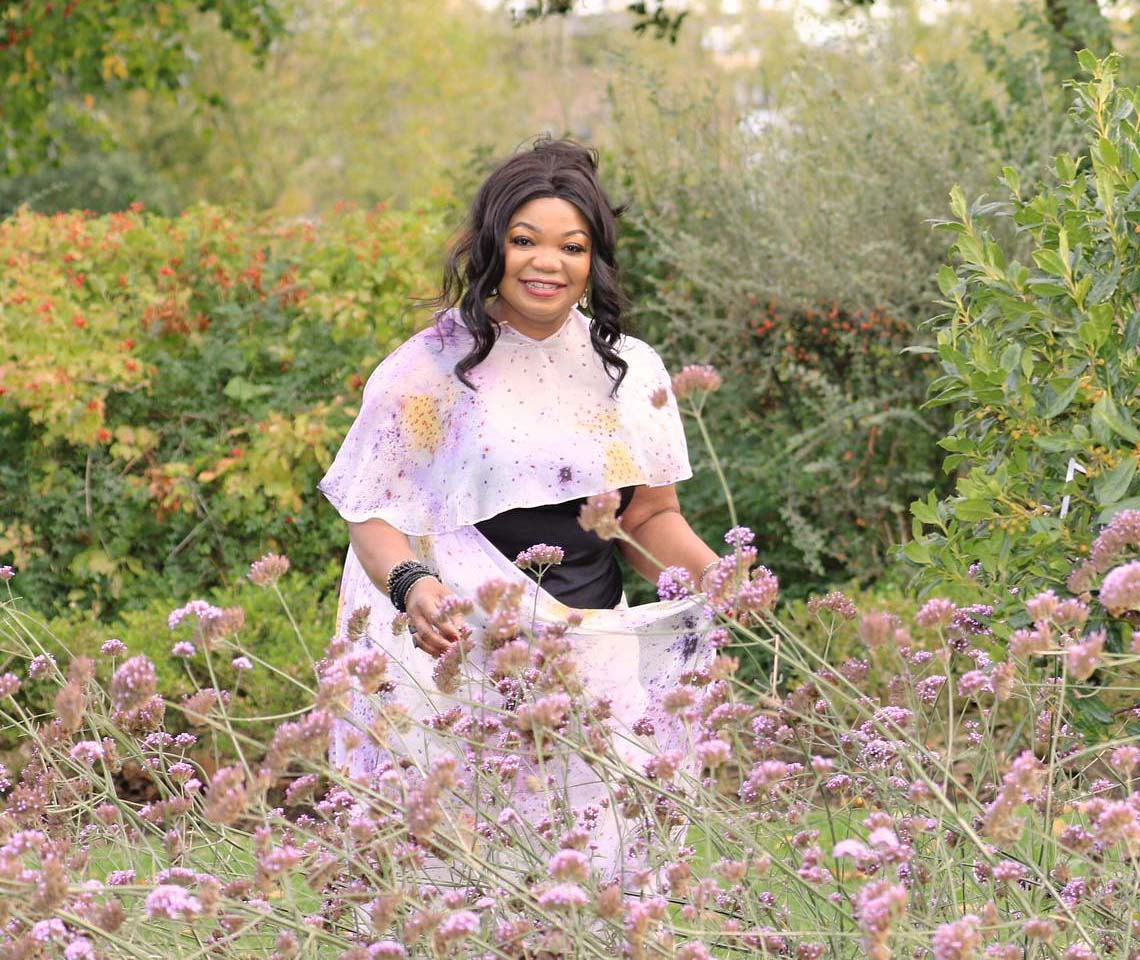
While I was doing these things in the community, I also joined the Labour Party through my trade union. A few of my local Labour members that knew about my work in the community encouraged me to become active in politics. It made sense; it was a logical extension of my community activism. In 2006, I stood for the first time as a Councillor in the local elections.
Are there differences between Nigerian and British politicians?
Of course, there is world of difference in terms of practice. The politics in the UK is different as I mentioned earlier. The way we see politics in the UK is different. In Nigeria, politics is like a career, it’s about accumulating wealth, there’s no accountability, no checks and balances. All those things don’t happen in UK politics because there are checks and balances, you are accountable to your constituents and to the general public. Your personal behaviour and conduct are scrutinized on a daily basis because you are representing people, and they see you as an example and a role model who is more or less placed on a pedestal. Some of the things that happen among politicians here in Nigeria cannot happen in the UK.
Looking at the Nigerian situation, what is it like being a politician in Britain?

There is joy in being a politician in the United Kingdom more than in Nigeria. Being a politician in the UK is about service to the people; it is about representing your constituents, it is about supporting and making policies that will make people’s lives to be better. It is not about accumulating wealth, which is what happens in Nigeria. It has to do with doing something good for your community, and for the society. In that wise, I’m very happy that I’m a politician; I’m very happy that in my little way I’m making a difference to people’s lives.
Could you share your experience with us as a Mayor?
It was a privilege and I will always be thankful to my colleagues and the people that I represent. As the civic Mayor, it means that in your local area, you are the number one citizen, you are representing the Queen and have the opportunity to attend many ceremonial and public duties. My term was in the run-up to the London 2012 Olympics and the Queen’s Golden Jubilee celebration.

I attended around 400 events, met many young people, presided over 20 citizenship ceremonies to welcome new British citizens and presided over council meetings as the Speaker. I travelled far and wide within the UK and outside the UK and met many prominent people. The icing on the cake was having lunch with Queen Elizabeth as part of the Queens Golden Jubilee celebrations. It was a good experience and I would not trade it for anything!
What are some of the memorable times with the Labour Party?
I am proud of what the Labour Party stands for and as an elected politician in the party, every moment is memorable for me. The Labour Party has always been about people, it was built on equality, social justice and compassion. It was formed to give ordinary people a voice and has sought power in order to improve people’s lives.
The party has given me a platform to become a prominent campaigner and the opportunity to represent people on the council as a socialist. Having said this, two memories stood out for me. When I became the first Black woman to Chair Hackney North and Stoke Newington Constituency. Secondly, in the 2018 elections, I had the highest number of votes among over 200 candidates in my area.