

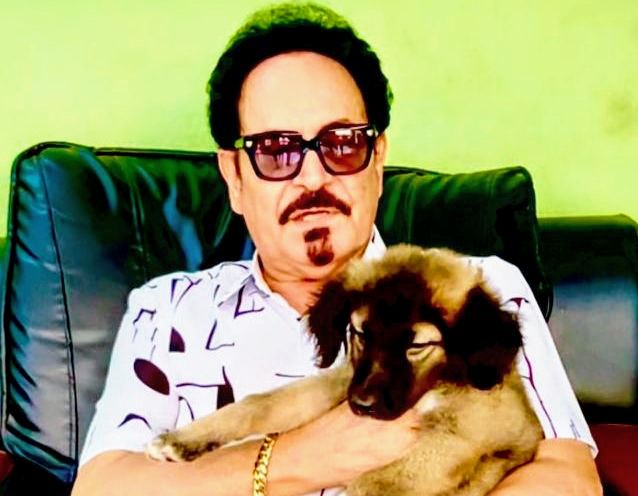
Dr. Tee Mac Omatshola Iseli, MFR, needs no introduction. He is a music legend.
A veteran with many firsts, he is Nigeria’s most celebrated classical flutist, who crossed over into disco, became a music union leader, a successful businessman and helped build Nigeria’s classical music institutions.
He’s still active and often speaks about the need for a “music revolution” in Nigeria. In this chat, he opens a window into his world.
Where have you been and what have you been doing lately that is occupying your time and keeping you away from the music scene?
Professional musicians use the media and social networks when they have a new product to release or a tour to announce. Hustlers and wannabes like to be in the news every day.
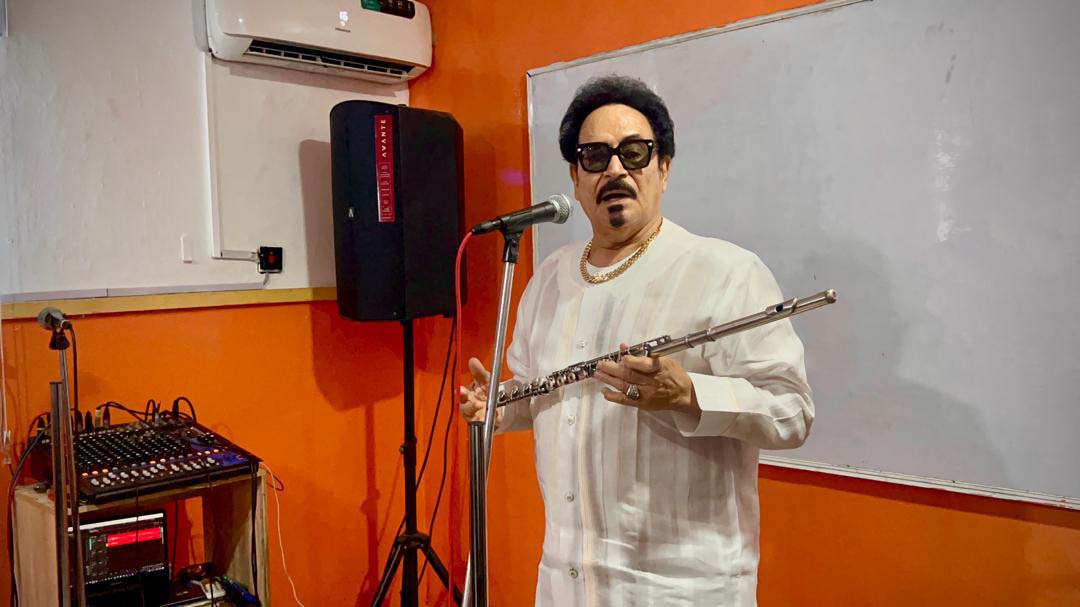
I have been busy working on a film soundtrack and completing a philharmonic composition. In addition, my joint venture partner, PetroNo E&P, decided to leave Nigeria, so I established a new oil and gas company with serious and experienced partners called Atlantic E&P Limited.
What is your assessment of the entertainment industry in Nigeria today?
Showbusiness is often a mirror of the health of a nation. Since Nigeria is currently facing some of the most difficult challenges in its history, it is no surprise that the entertainment industry is also suffering.
A few musicians who have opportunities to perform abroad are still able to earn a decent income, but corporate organisations claim they cannot afford sponsorships, and support for the arts has become almost non-existent. Since 1970, I have never experienced such a difficult period for the industry.
What has been the most challenging period in your many years in the entertainment industry?
I would say the four years during which I led PMAN (Performing Musicians Association of Nigeria). There are far too many ill-informed people in the music industry. Many expect the PMAN president to solve all their problems, while very few are willing to contribute towards finding solutions themselves.
What would you tell today’s leading Afrobeat artistes about legacy, considering that many music stars die broke or fade into obscurity?
Success should make a person humble and grateful. Share your blessings without advertising them, and always invest for difficult times.
Fans may come and go, but your ego remains with you. Every artist should have a reliable “bread and butter” business outside music. Also, remember that expensive cars are rarely good investments.
What’s one misconception Nigerians have about Tee Mac that you would like to correct?
Many people who have never seen me perform with my fabulous band, Gold Convention, assume that my music is purely classical and intended only for seated listening.
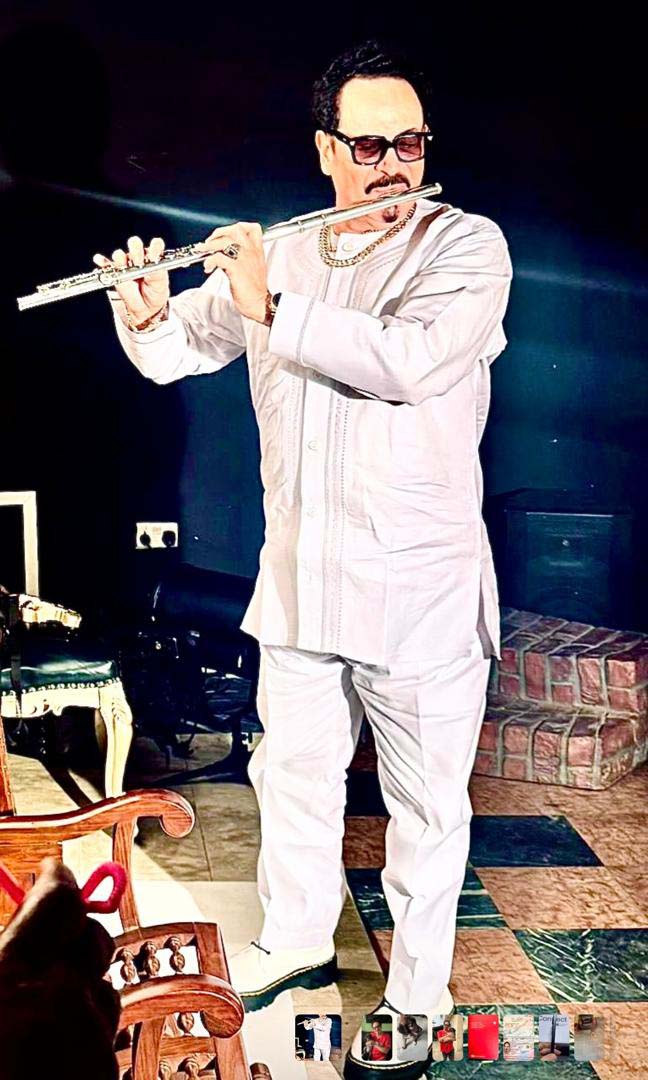
In reality, I led one of Nigeria’s first internationally successful disco and pop bands. While I ensure that my music is professionally orchestrated, my performances are designed for enjoyment, dancing and entertainment.
I have also experienced discrimination from some corporate organisations and sponsors who felt that I looked “too white.” Good music, however, is colour-blind.
One cigarette company that toured with musicians across Nigeria in the 1980s never hired me because they felt I did not look Nigerian enough. On another occasion, a major insurance company rejected me for its 60th anniversary celebration because they believed I appeared too foreign.