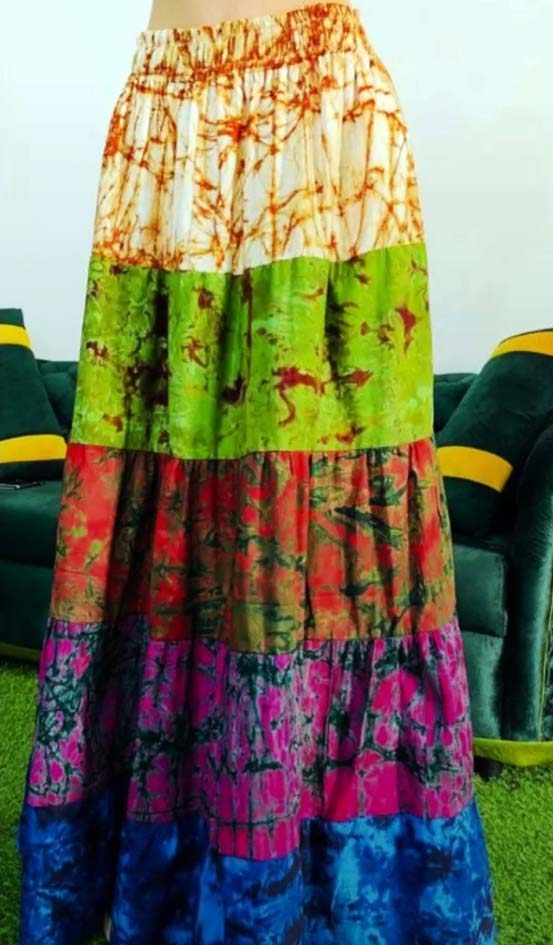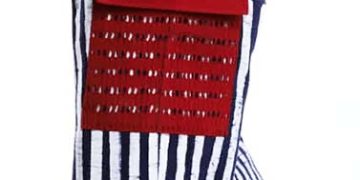


Adire is one of West Africa’s signature fabrics. It is synonymous with the Yoruba in Nigeria and elsewhere. The word “Adire” translates to “adi” (tie) and “re” (dye) in Yoruba language. It’s the real-deal “for us, by us, to the world.”
This iconic textile material dates back to the late 1800s, back when women used natural indigo dye from leaves called “elu” to create deep blue patterns after soaking fabric in dye. But times have changed and methods have improved, adding to Adire’s appeal.

The patterns tell stories, with motifs representing proverbs, royalty, status, fertility, protection, etc. It was traditionally worn for ceremonies, weddings, chieftaincy titles and festivals.
The art of Adire almost went extinct in the 1970s when cheap foreign fabrics came in. But it made a huge comeback thanks to designers and the “buy Nigerian” initiative.
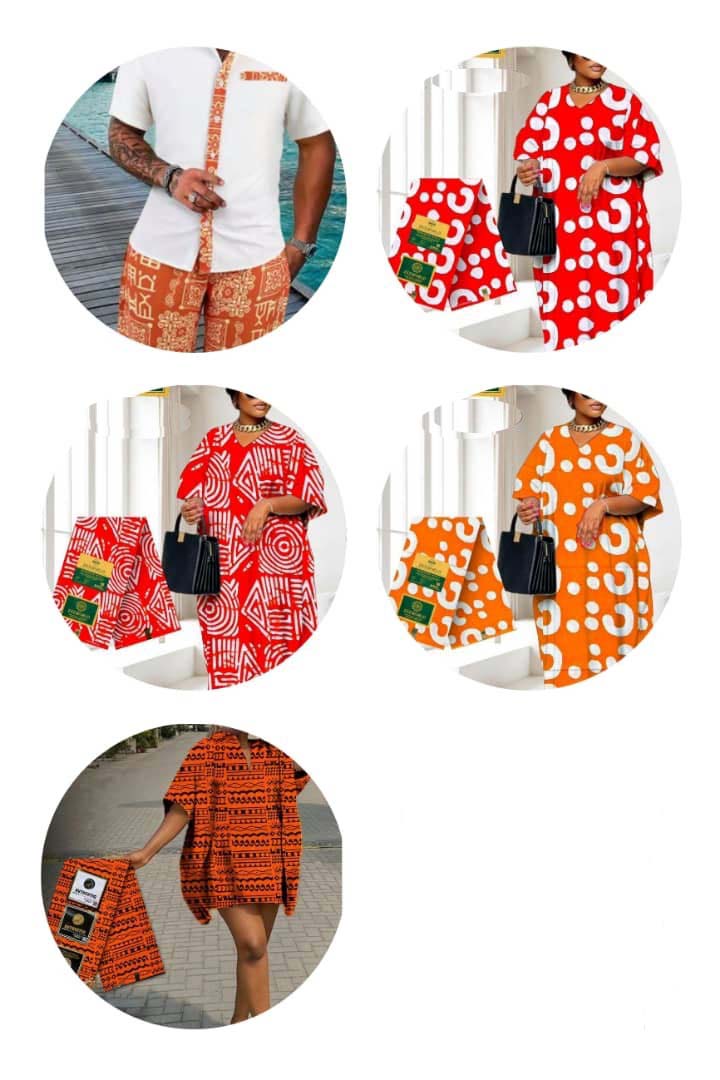
Today, advancements in techniques have enhanced Adire production. There are varieties of colours, patterns and materials other than the traditional cotton.
There are also wax-print style Adire, ready-to-wear modern fashion pieces, from caps to shoes, bags, blazers and suits.
There is no end to the creative uses for Adire and designers and fashion lovers are making the most of it.