
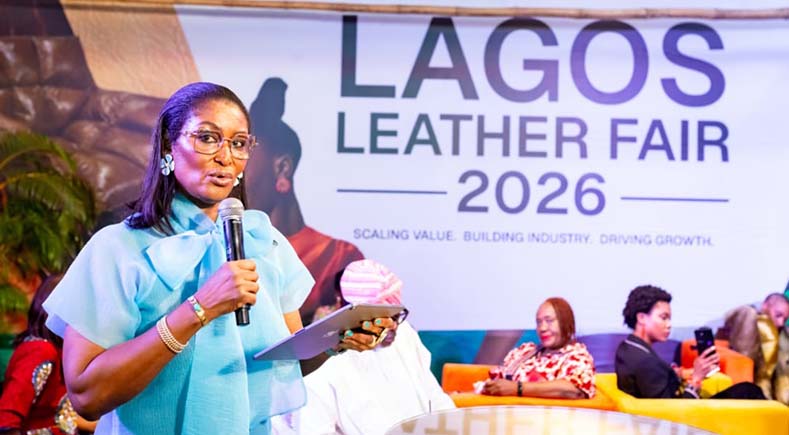
The recent Lagos Leather Fair (LLF 2026) took place on Saturday, June 27, at Landmark, Victoria Island, Lagos, with top-notch products on display, opportunities for learning, networking and expansion for exhibitors and attendees and a platform to brainstorm and chart a better future for the industry.
Attended by international buyers, policy experts, tech innovators and hundreds of local artisans, this year’s fair focused mainly on breaking global market barriers and equipping homegrown brands
This deep-dive session provided attendees with a masterclass on integrating modern technology into traditional workshops. Industry leaders demonstrated how local brands can leverage data analytics to forecast global fashion trends, optimize supply chains and reduce material waste.
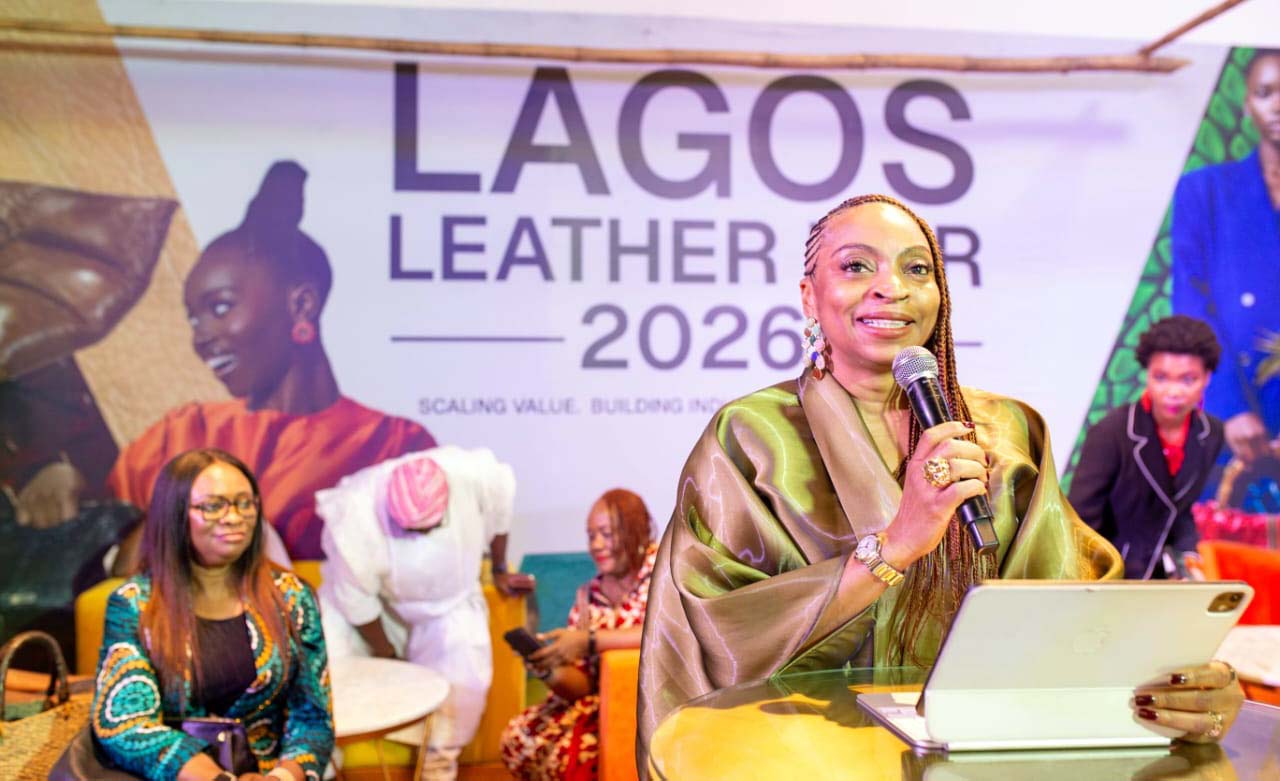
The session specifically highlighted how artificial intelligence can streamline online marketing, automate custom sizing and scale up export economics, offering a blueprint for local workshops to efficiently compete with fast-fashion giants abroad.
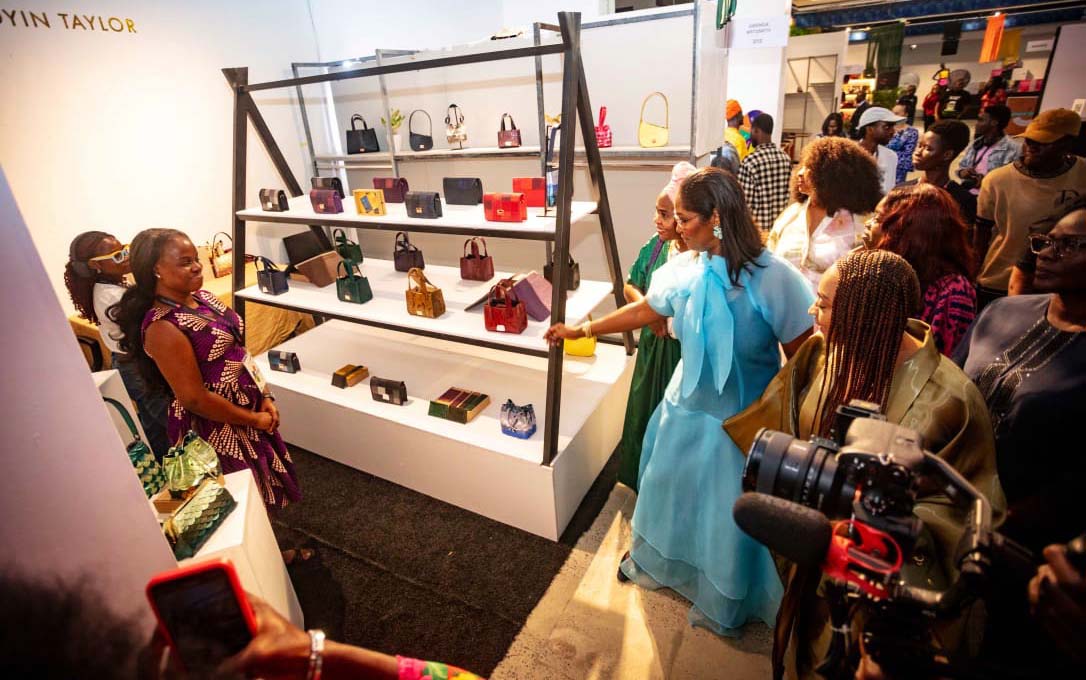
Attendees at the LLF witnessed master craftsmen demonstrating intricate cutting, stitching and finishing techniques, emphasizing the high-quality labour behind premium African leather goods.
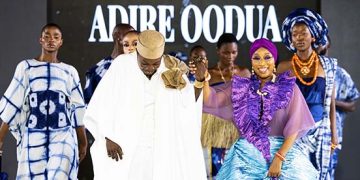
The fair reached its crescendo with the iconic LLF Runway Show. The runway served as a powerful visual narrative, showcasing avant-garde collections, structured luxury handbags and bespoke footwear.
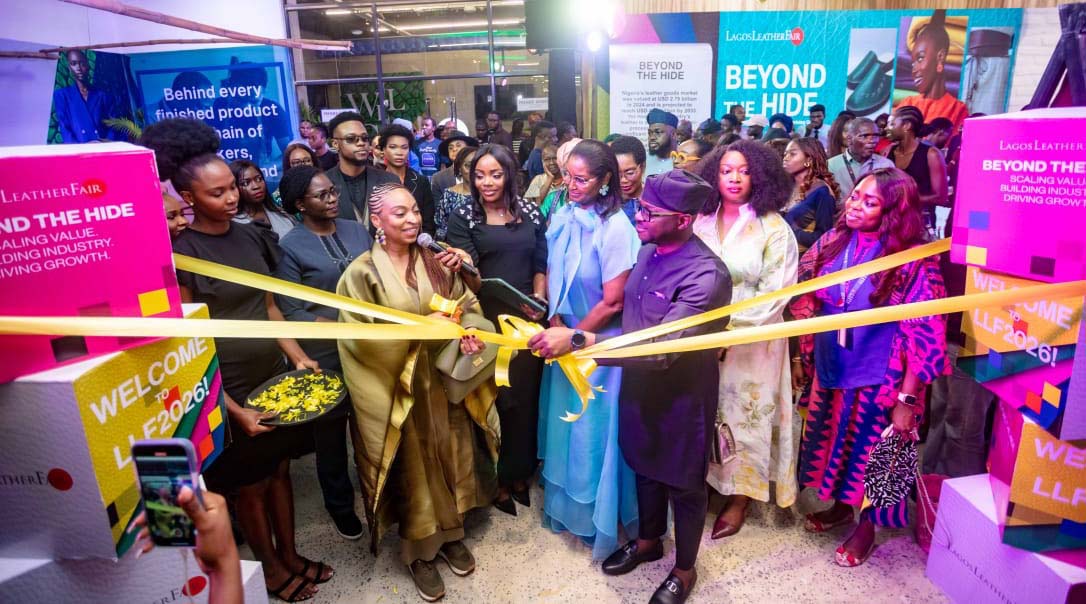
The collections, from exhibitors such as Mhose, Chrisbeks, Sole Inspiration, Zamany Accessories, Femi Handbags, the convener, seamlessly blended traditional African heritage with contemporary global aesthetics, earning standing ovations from fashion critics and closing out the fair on an undeniably high note.
In 2017, the Lagos Leather Fair was launched as Nigeria’s first dedicated platform focused exclusively on the leather industry.
Founded by Femi Olayebi, a premium leather goods designer based in Ibadan, Oyo State, the LLF was born out of both frustration and possibility: frustration with the structural gaps holding the industry back and belief in the immense, untapped potential of the Nigerian leather ecosystem.
At the time, industry projections suggested LLF was created to change that narrative.
More than an event, it became a convening force, bringing together designers, manufacturers, suppliers, policymakers and investors under one roof.